
As parents, it’s easy to feel pressure to make Christmas magical.
The events.
The outings.
The experiences.
The things we think we should be doing.
But recently, I’ve been reminded that the moments children remember most are often the simplest ones.
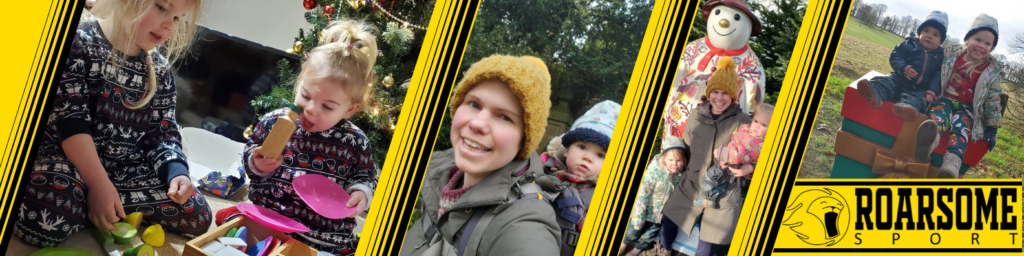
This weekend, we took a short break away. We stayed in a budget hotel — nothing fancy — but it has a swimming pool. And to my children, that alone makes it the best place in the world. The excitement hasn’t come from where we stayed, but from the time together and the freedom to just enjoy it.
We spent time exploring National Trust places, walking at a child-led pace, stopping when needed, and not worrying about ticking things off a list. We took our Christmas Eve box with us, to open a few days early. A book. Pyjamas. Hot chocolate. Nothing elaborate — but exciting enough to entertain kids while we’re all in a small hotel room!
It’s made me think about what children really carry with them.
Not the cost.
Not the scale.
But the feeling.
For neurodivergent children in particular, simple traditions can be incredibly powerful. Predictability, familiar routines, and low-pressure moments help them feel safe and regulated in a season that can otherwise feel overwhelming. Busy schedules, sensory-heavy events, and constant change can take a toll — and simplicity can be grounding.
That doesn’t mean children shouldn’t be included in celebrations. It just means celebrations can look different. Earlier. Quieter. Smaller. More intentional.
Whether it’s a walk somewhere familiar, a regular family breakfast, an early Christmas tradition, or simply time without rushing — these are the moments that often matter most.
As Christmas approaches, it might be worth asking:
What feels good for our children?
What feels manageable for us?
And what memories do we want to carry forward?
Simple doesn’t mean less meaningful.
Often, it means the opposite.