
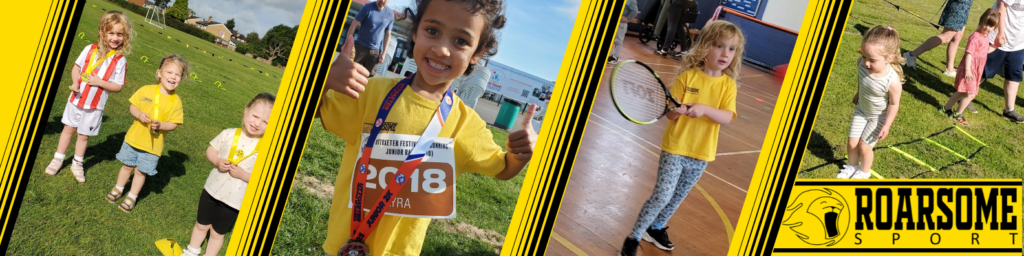
When we talk about girls dropping out of sport, it’s easy to assume they’ve simply lost interest. However, if you’ve ever watched a group of young children at play, that explanation doesn’t quite fit.
Young children move constantly. They run, jump, climb, balance and explore whatever catches their attention. Most don’t stop to ask whether they’re good enough before joining in, and they’re far less concerned about what they look like or whether they might get something wrong. They move because movement is fun.
So what changes?
As children get older, confidence often becomes a much bigger factor in whether they continue to participate. Girls, in particular, can begin to receive different messages about appearance, behaviour and expectations. They become more aware of what other people think, start comparing themselves to others and may become less willing to take part in activities where they don’t feel immediately competent.
Many girls don’t suddenly decide they dislike sport. Instead, they gradually lose confidence in sporting environments. Trying something new feels riskier, making mistakes feels more visible and the fear of getting it wrong can become stronger than the enjoyment they once found in simply joining in.
That’s one of the reasons I think it’s important to look beyond the statistics about participation rates. Girls dropping out of sport is often a symptom of something bigger. It’s about confidence, belonging and whether children feel that these spaces are for them.
The reason this matters isn’t because every child needs to become an athlete. Most children won’t grow up to play sport competitively, and that’s perfectly okay. What matters is that they develop a positive relationship with movement and feel confident using their bodies.
This also isn’t just an issue for girls.
When we create sporting environments where girls feel comfortable making mistakes, boys benefit too. When we focus on effort rather than natural talent, all children benefit. When children are encouraged to try new things without fear of judgement, everyone benefits.
The best sporting experiences aren’t the ones that identify the most talented children. They’re the ones that help every child feel capable, included and willing to have a go.
That’s why creating positive sporting environments for girls should matter to all of us. It’s not about choosing girls over boys or focusing on one group of children at the expense of another. It’s about creating experiences where every child feels they belong, regardless of their confidence level, ability or previous experience.
When we create better sporting experiences for girls, we create better sporting experiences for all children. And if we can help more children leave school believing movement is something they can enjoy throughout their lives, that’s a win for everyone.