
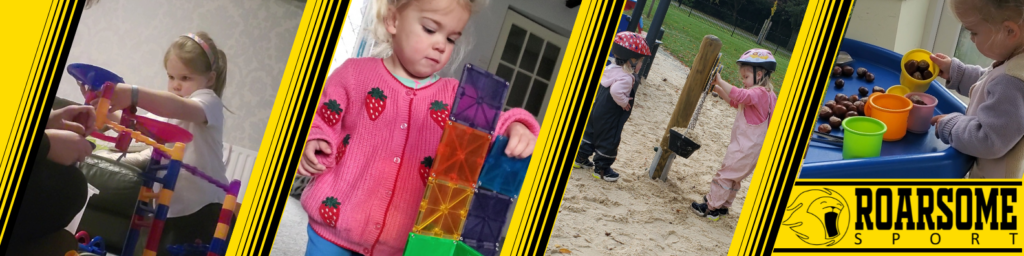
Play is often talked about as something extra — something children do when the “real learning” is finished. But the truth is, play is real learning. And children need more of it, not less.
Over the last few years, we’ve seen a growing push towards earlier formal learning. Younger and younger children are being expected to sit still, concentrate for long periods, and complete desk-based tasks long before many of them are developmentally ready.
But something positive is happening too: a growing movement to bring more play back into Key Stage 1. You may have heard the term “continuous provision” — a play-based approach that gives children the freedom to explore activities, use their imagination, and choose how they learn. It’s common in Early Years, and it’s now (slowly!) being introduced higher up the school.
And thank goodness. Because play is so much more than fun.
Play builds essential life skills
Through play, children learn to:
• take risks in a safe way
• solve problems
• use their imagination
• build coordination and balance
• connect with others
• develop resilience
• practise patience and turn-taking
None of these skills come from worksheets or sitting quietly. They come from doing — from movement, exploration, and trying things out again and again.
Why I teach through play at Roarsome Sport
In every session, children learn sport skills through games and imagination.
They might be jumping over “volcanoes,” balancing across “tightropes,” or racing to “save the treasure.”
It’s playful, silly, energetic — and it’s exactly how children learn best.
Because when they’re having fun, they’re not thinking about the skill they’re practising… but they’re learning it all the same.
Play and SEND children
For children with additional needs, play does even more.
It helps them:
• regulate sensory input
• feel in control
• build trust
• explore movement at their own pace
• practise communication and connection
In our SEND sessions, play is the foundation of everything. There’s no pressure to join in. Children can watch, explore, jump right in, or try one small part — and each of those choices is valid.
I’ve seen children go from quietly watching to anticipating what game we’ll play the moment they see the equipment. I’ve seen others take the visual cards from my hands and start leading the activity themselves. That’s progress — and it almost always starts with playful exploration.
Winter is the perfect time to protect play
As the days get darker and children spend more time indoors, it becomes even more important to make room for movement, play, and imagination.
Our Sunday sessions give children the chance to play with purpose — to run, jump, throw, balance, and explore in a warm, safe space.
So let’s keep fighting for play.
Play isn’t something children should “grow out of.”
It’s how they learn, how they connect, and how they understand the world.
Whether at home, in school, or at Roarsome Sport, let’s protect it, encourage it, and celebrate it.
What’s your child’s favourite way to play — indoors or out?
I’d love to hear your ideas.