
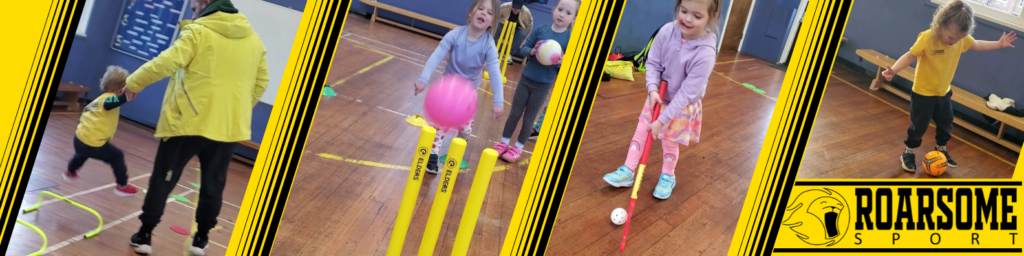
There are certain moments in sessions that stay with you, and often it’s not the big ones.
Last week, we were finishing with a calm cool down. I was crouched down on the floor, and one of the younger children copied me. That happens all the time, but what stood out was how closely she was watching.
She didn’t just copy the position, she copied everything, right down to the way my fingers were placed on the floor.
It was a small moment, but it said a lot.
Children are always watching. They notice how we move, how we approach things, and how we respond, often in ways we don’t even realise.
I was reminded of it again when a parent told me their daughter had stopped her dad before he went out for a run and made him do our warm up together. It was funny, but also a really clear example of how these things stick.
What we model matters.
But alongside that, there’s something else happening in sessions that’s just as important.
Children are learning how to be part of a group.
They’re building friendships, noticing each other, and working out how they fit. You’ll often see older children naturally helping younger ones, or children encouraging each other without being asked.
For some, this comes quickly. For others, especially those who are quieter or a bit unsure at the start, it takes time.
They might spend a few sessions watching, staying close to a parent, or joining in for short moments. But gradually, as they become more familiar with the space and the people, you start to see a shift.
They move a little further into the group, they begin to interact more, and they start to feel like they belong.
That sense of belonging is where confidence really starts to grow.
It’s not just about learning how to throw, catch, or balance. It’s about feeling comfortable enough to try, knowing that it’s ok to get things wrong, and feeling part of something rather than on the outside of it.
Creating that kind of environment doesn’t happen by accident. It comes from keeping things supportive, allowing children to go at their own pace, and modelling the kind of behaviour you want to see. Enjoying movement, being relaxed, and showing that it’s ok to have a go.
Because children pick up on all of it.