
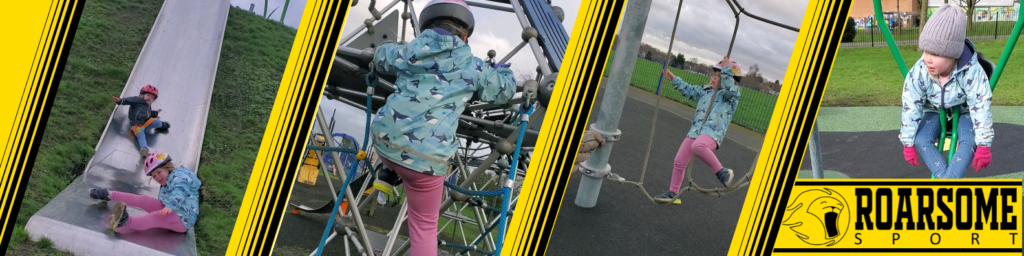
When we talk about why PE matters in schools, the conversation usually lands on physical health, things like cardiovascular fitness, coordination and healthy habits. And all of that is true. But there’s another important story that doesn’t get told nearly enough: what movement does for children’s emotional lives.
Children feel before they can talk
Children often experience emotions as physical sensations long before they have language to describe them. Anxiety lives in the chest and the stomach. Frustration buzzes through the arms and legs. Excitement makes it almost impossible to sit still.
When we ask children to sit quietly and manage those feelings without an outlet, we’re asking them to do something incredibly hard. Movement gives those feelings somewhere to go.
Big feelings need big movement
There’s a reason children run when they’re excited and jump when something goes their way. The body is doing what the brain needs. Physical activity, especially vigorous, whole-body movement, activates and then settles the nervous system. It reduces cortisol (the stress hormone), boosts mood-regulating chemicals like serotonin and dopamine, and helps children return to a calmer, more regulated state.
For children who find emotional regulation particularly challenging, this movement can be a game changer.
PE as a confidence builder
Beyond the physiological, sport and physical activity offer children something precious: a place to feel capable. For a child who struggles academically or socially, being good at something physical can be a huge confidence boost.
Physical literacy and emotional literacy go hand in hand
Physical literacy, the confidence and competence to move in a variety of ways, is increasingly recognised as a foundation for wider learning and development. But what’s less often discussed is how closely it maps onto emotional literacy.
When children learn to read their bodies, to notice when they’re tired, tense, or overwhelmed, they’re developing skills that support self-awareness and emotional regulation. Sport teaches them to manage frustration (when a game doesn’t go their way), to tolerate discomfort (when something is hard), and to feel the reward of persistence. These are emotional skills with a physical classroom.
What you can do at home
You don’t need a sports hall or a PE lesson to harness this. Something as simple as a 30-minute trip to the park after school can make a remarkable difference, particularly for children who’ve spent the day being asked to sit still, stay quiet, and hold it all together.
Fresh air, free movement, and a bit of social time with friends can do more for a child’s emotional reset than almost anything else. Watch what happens to their mood, their appetite, their willingness to talk, their ability to sleep.
A final thought
PE isn’t a break from learning. It isn’t a reward for good behaviour or a gap to fill in the timetable. It is learning, about bodies, about feelings, about what we’re capable of. The children who are given space to move are often the ones best equipped to sit still when it really matters.
At Roarsome Sport, we believe every child deserves that space. If you’d like to talk about how movement can support your child’s emotional development, whether in a school setting or beyond, I’d love to hear from you.