
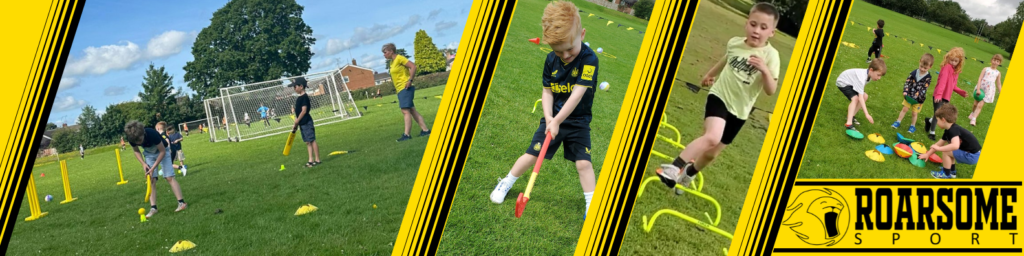
This week has been all about settling back in.
After the Christmas break — and a slightly disrupted December with missed sessions and changes of space — it felt important not to rush straight into new learning.
Instead, I leaned into repetition.
Why repetition matters
Repetition gives children something familiar to hold onto.
It helps them feel safe, regulated and confident in their environment.
When children know:
- the space
- the equipment
- the adult leading the session
- and what’s expected of them
they’re far more likely to explore, engage and eventually take risks.
A moment from this week
In one session, I introduced a new activity and one child showed no interest at all. She watched from a distance, clearly unsure.
When the agility ladder came out — something we used a lot last term — everything changed. I asked if she wanted a go and she said no. A little while later, she approached it on her own, went up and down, and was happy for me to support her jumping too.
That confidence didn’t appear out of nowhere.
It was built on familiarity.
Looking back, she behaved in exactly the same way last term: observing first, then joining in once she knew what to do.
Confidence doesn’t mean being fearless
For me, confidence in sessions isn’t about children completing tasks perfectly.
It’s about:
- having a go
- being willing to try
- knowing it’s okay if something feels hard
We all tend to stick with what we know we can do. But real learning happens when we feel supported enough to try something we’re not sure about.
That’s why repetition comes first.
It creates the safety children need to grow.
Over the coming weeks, new challenges will come — but only when children are ready.